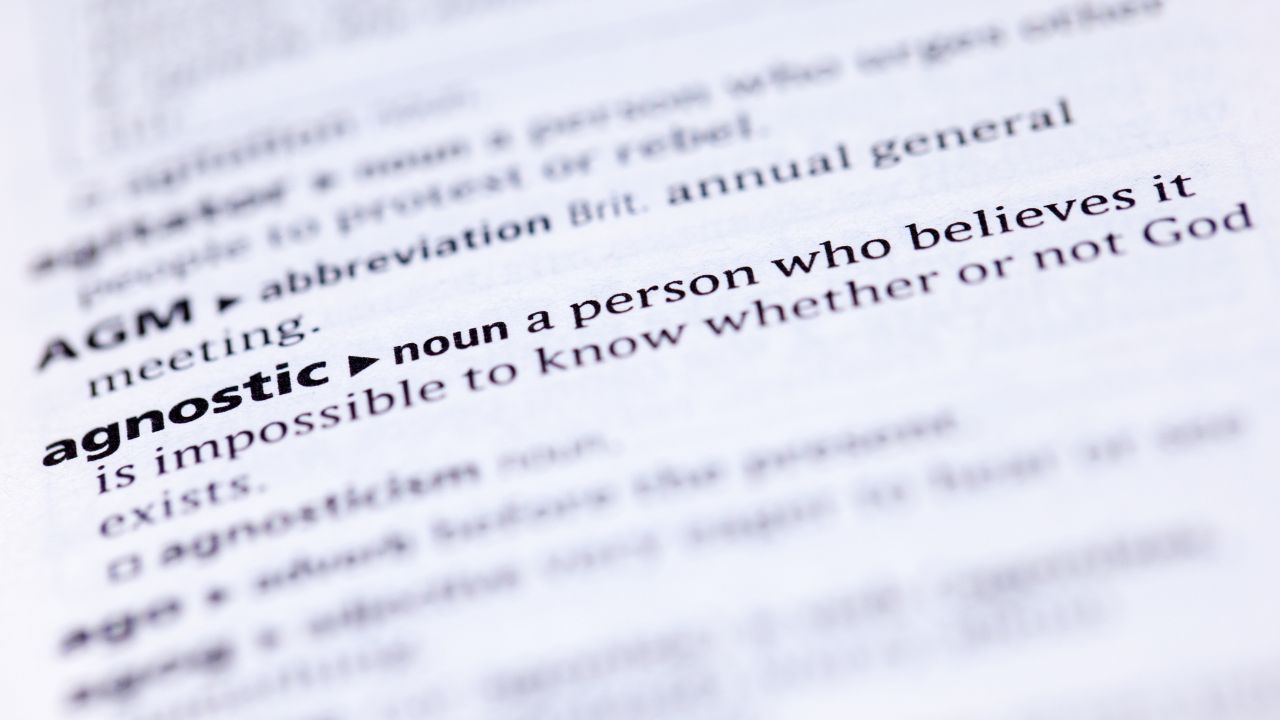
I’m agnostic, not because I hate God, but because I take truth seriously.
And I don’t trust churches—not because I reject faith, but because I’ve watched institutions choose power over honesty far too often.
That distinction matters.
1. Agnosticism Isn’t Rebellion—It’s Intellectual Humility
Agnosticism isn’t saying “there is no God.”
It’s saying “I don’t know—and neither do you.”
Anyone who claims certainty about the infinite, the eternal, or the metaphysical is making a leap of faith. That includes atheists and religious authorities.
I’m not hostile to belief.
I’m hostile to false certainty.
History is full of confident people who were wrong—and dangerous precisely because they were confident.
2. Faith and Institutions Are Not the Same Thing
This is where most conversations about religion and religious beliefs go off the rails.
Faith is internal.
Churches are organizations.
Organizations seek survival, influence, money, and control.
Once you understand that, church behavior becomes predictable:
- Protect the institution first
- Protect leadership second
- Protect truth only when convenient
That doesn’t make churches uniquely evil.
It makes them human—and therefore fallible.
But many churches refuse to admit this.
3. Churches and Religions Punish Questions—Truth Welcomes Them
One of my biggest red flags about churches and religions has always been how both tend to respond to honest questions.
When a system:
- Discourages doubt
- Labels curiosity as “weak faith”
- Frames questioning as a moral failure
…it’s no longer about truth. It’s about compliance.
Real truth doesn’t fear scrutiny.
Only fragile narratives do.
4. Moral Authority Without Accountability Is Dangerous
Churches often claim moral authority over:
- Marriage
- Sex
- Gender roles
- Parenting
- Sin and virtue
Yet many churches:
- Hide abuse
- Excuse corruption
- Protect predators
- Gaslight victims “for the sake of the church”
Moral authority without accountability isn’t virtue.
It’s unchecked power.
If a system cannot examine itself, it cannot be trusted to guide others.
5. Churches Too Often Confuse Obedience With Goodness
A recurring theme across denominations:
- Obey first
- Understand later
- Don’t rock the boat
- “Trust leadership”
But obedience is not morality.
History proves this again and again.
Good people question.
Dangerous systems demand silence.
6. Spiritual Truth Should Make You Stronger, Not Smaller
If faith is real, it should:
- Produce clarity, not fear
- Build responsibility, not dependency
- Encourage integrity, not submission
Too many churches create:
- Infantilized adults
- Outsourced conscience
- Fear-based morality
- Shame without growth
That’s not spiritual development.
That’s psychological management.
7. I Trust Principles More Than Institutions
I trust:
- Honesty over dogma
- Responsibility over ritual
- Character over titles
- Truth over tradition
If God exists, I doubt He needs:
- Marketing departments
- Tithing pressure
- Political influence
- Image management teams
Truth doesn’t require protection.
Lies do.
8. Agnosticism Keeps Me Accountable
Agnosticism doesn’t give me easy answers.
It gives me responsibility.
I can’t outsource my morality to scripture cherry-picked by men.
I can’t excuse cruelty as “God’s will.”
I can’t hide behind belief when my actions harm others.
If I’m wrong, I own it.
If I cause harm, I answer for it.
That’s not weakness.
That’s adulthood.
Final Thought: Faith Should Be Chosen—Not Enforced
I’m not anti-God.
I’m anti-institutional arrogance.
If faith is true, it will survive questions.
If God exists, He doesn’t need gatekeepers.
If morality matters, it should withstand scrutiny.
Until churches learn to prioritize truth over power, humility over authority, and accountability over image—I’ll remain agnostic.
Not because I lack faith.
But because I refuse to surrender my conscience.
-The Rational Ram
 The Rational Ram