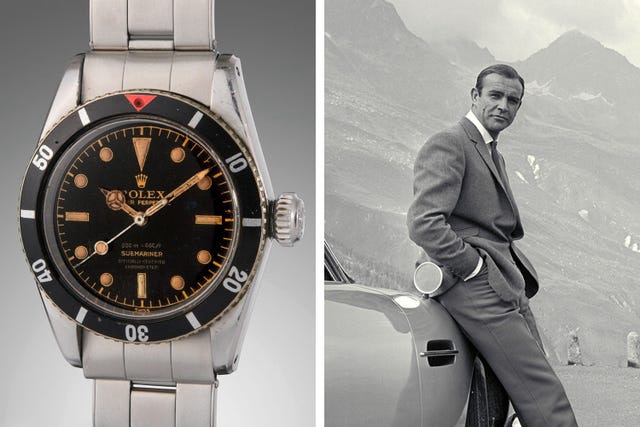
There was a time when I thought owning a Rolex was inevitable.
Not because I particularly loved Rolex watches more than anything else, but because watch culture subtly teaches you that Rolex is the final destination.
The pinnacle.
The proof that you “made it.”
If you spend enough time around watch enthusiasts, YouTube channels, forums, and luxury influencers, you begin to absorb an unspoken assumption:
Every serious collector ultimately wants a Rolex.
I almost bought into it.
Almost.
To be fair, Rolex makes exceptional watches.
Their manufacturing standards are world class.
Their bracelets are excellent.
Their movements are robust.
Their brand recognition is unmatched.
But somewhere along my watch journey, something unexpected happened.
I started actually wearing other watches.
And not just trying them on for five minutes under jewelry-store lighting. I mean living with them. Working in them. Traveling with them. Timing my life with them.
That changed everything.
The Oceanus Problem
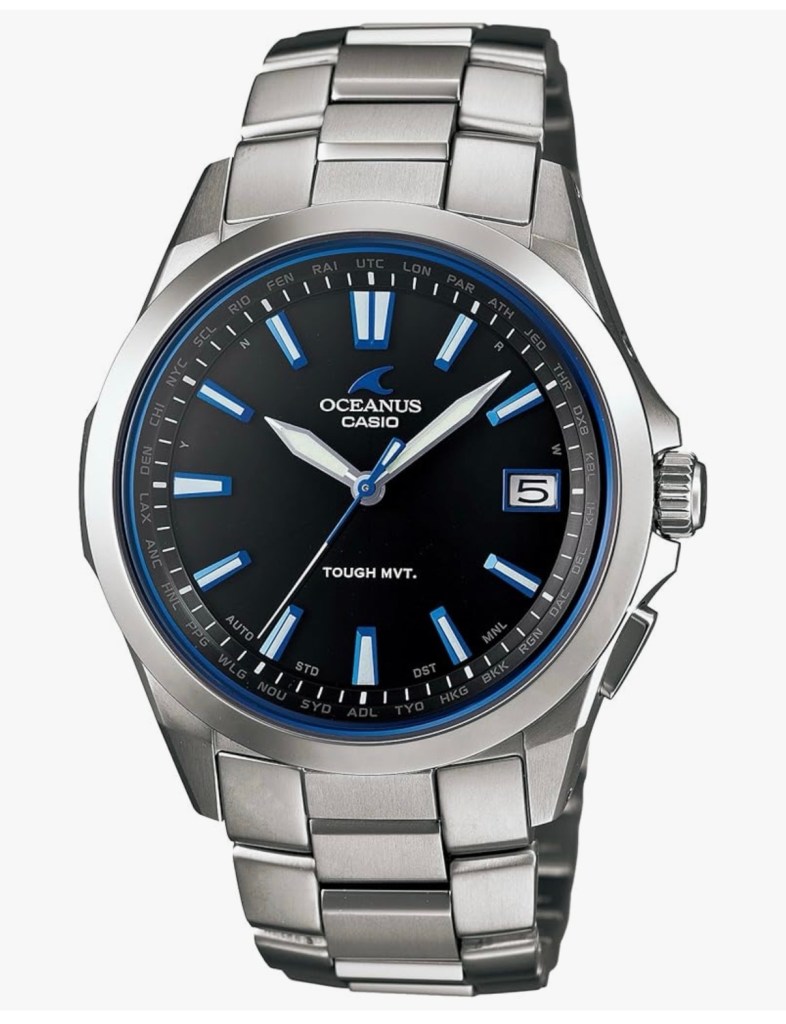
My Casio Oceanus OCW-S100-1AJF was one of the first watches that truly disrupted the Rolex illusion for me.
The Oceanus is/has:
Titanium.
Sapphire crystal.
Atomic synchronization.
Solar powered.
Perfect finishing.
Incredible comfort.
For around $500.
Nobody noticed it.
Nobody cared about it.
And yet every time I wore it, I quietly thought:
“This is absurdly good.”
Not “good for the price.”
Just good.
Then came Citizen.
Then Longines.
Then higher-end Casio pieces.
Then the realization that functionality, engineering, comfort, and ownership satisfaction exist at many price points — often without the ego games attached that benefit Rolex’s bottom line.
The Luxury Trap
Luxury watch culture, especially the ecosystem surrounding Rolex, often stops being about watches.
It becomes about:
- access
- validation
- exclusivity
- scarcity
- social signaling
The watch itself almost becomes secondary.
The irony is that many people chasing Rolex are not actually chasing superior timekeeping, superior utility, or even superior craftsmanship relative to all alternatives.
They are chasing:
- what Rolex represents
- what it signals
- how it makes them feel socially
That is not necessarily wrong.
Humans are innately social creatures.
But it is important to recognize the distinction.
Longines Earned My Business
What finally shifted my perspective was not resentment toward Rolex.
It was respect for other brands.
Longines, for example, earned my business the old-fashioned way:
- by making watches I genuinely enjoy
- pricing them reasonably
- selling them to me without making me audition for the privilege.
My HydroConquest changed my thinking more than any YouTube video ever could.
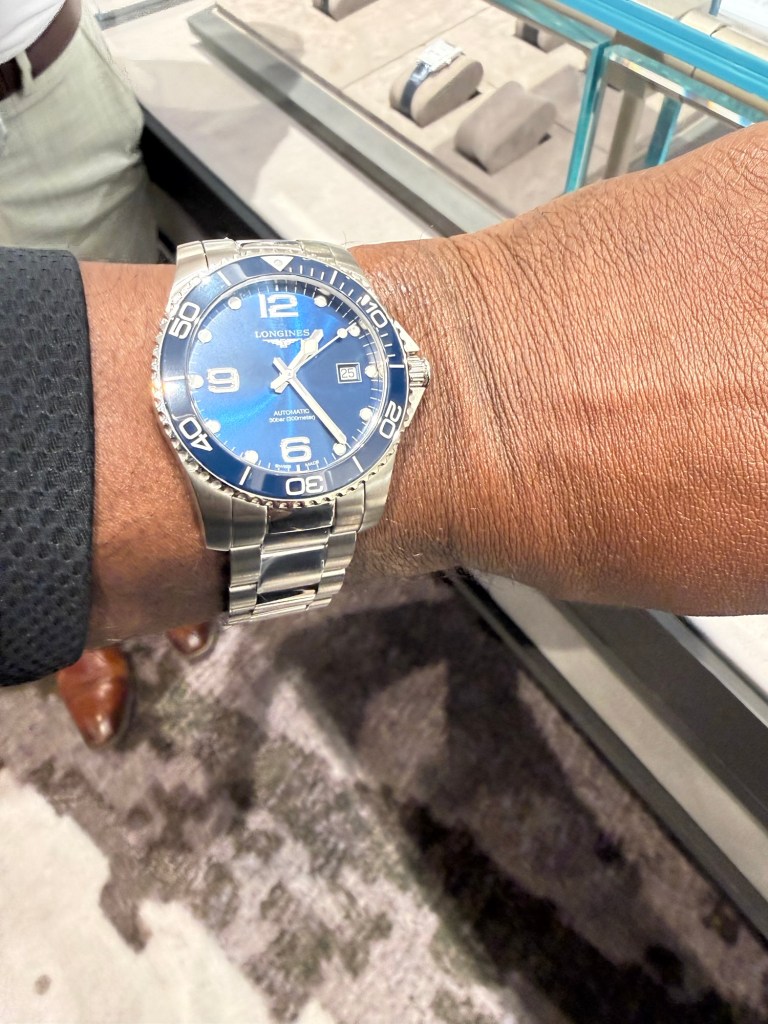
I wore it and realized:
“I do not feel deprived.”
That is a powerful realization in modern luxury culture.
Because once you realize you are fully satisfied outside the hype hierarchy, the psychological grip weakens dramatically.
Optional, Not Aspirational
That is the sentiment where I eventually landed with Rolex.
Not hatred.
Not bitterness.
Not coping.
Perspective.
Rolex is no longer aspirational to me.
It is optional.
If the right one came along under the right circumstances, maybe I would buy one someday.
Maybe not.
But I no longer view Rolex as the automatic endpoint of watch collecting.
And honestly?
That mindset feels incredibly freeing.
Now I buy watches based on:
- alignment
- engineering
- comfort
- emotional resonance
- usefulness
- personal enjoyment.
Not because someone else told me what I am supposed to aspire toward.
That shift changed my collection for the better.
More importantly, it changed my relationship with luxury consumerism itself for the better.
Because true luxury is not needing validation from the crowd. It is having the freedom to decide what actually matters to you.
I buy watches the same way I buy anything that is considered a luxury.
For my own utility and internal validation.
Period.
-The Rational Ram

