Five hard lessons from chasing “the perfect watch”—and why I stopped at alignment instead of price
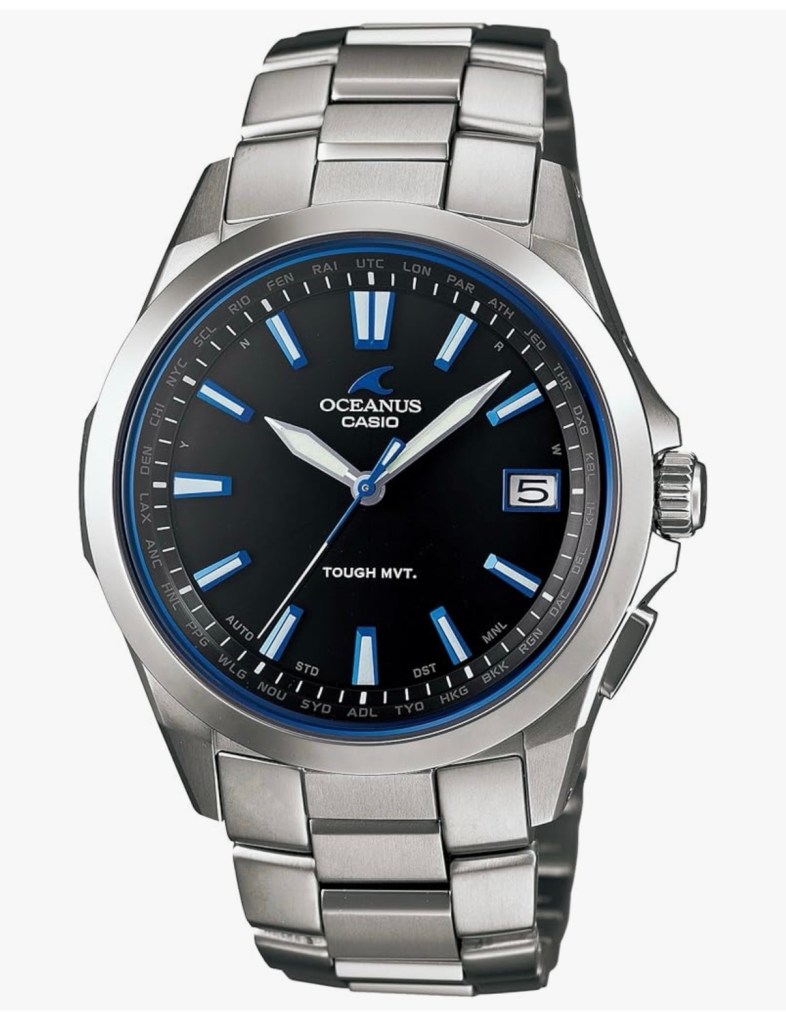
I didn’t set out to become a “watch guy.”
Like most people, I just wanted one good watch.
Simple.
Clean.
Something that felt right.
Instead, I found myself going down the same path a lot of people do—researching, comparing, watching videos, trying to “optimize” a decision that shouldn’t be that complicated.
And somewhere along the way, I realized:
The watch world doesn’t reward clarity.
It rewards confusion, aspiration, and just enough doubt to keep you buying.
So I stepped back and asked a better question:
What have I actually learned from this process?
Here are the five lessons that brought me full circle—and ultimately helped me stop chasing.
1. You don’t discover your taste—you earn it
You can’t YouTube your way into knowing what you like.
You have to wear watches.
Different sizes. Different weights. Different styles.
What looks great online might feel completely wrong on your wrist.
What you think you want—often isn’t what you end up choosing.
For me, it took multiple watches across different price points to understand something simple:
Fit and feel beat specs every time.
2. Nobody cares what watch you’re wearing
This one hits hard once you accept it.
- Most people don’t notice your watch
- Those who do rarely know what it is
- And even fewer actually care
That means something important:
If you’re buying a watch for validation, you’re paying for a reaction that almost never happens.
Once that illusion breaks, your decision-making gets a lot cleaner.
3. The biggest truth: diminishing returns are real
There’s a sweet spot in watches—and it’s not where most people think.
From about $1,000 to $4,000, you get:
- Excellent build quality
- Reliable movements
- Strong finishing
- Real-world durability
Once you go beyond that?
You’re not getting 2x or 3x better watches.
You’re paying for:
- Brand legacy
- Storytelling
- Perceived exclusivity
- And the emotional weight of the name on the dial
That’s not wrong—but it’s important to be honest about what you’re actually buying.
4. “Tool watches” are mostly a mindset now
Let’s be honest:
- Divers rarely dive
- GMTs rarely track multiple time zones
- Field watches aren’t in the field
These watches aren’t tools anymore.
They’re representations of capability.
And there’s nothing wrong with that—as long as you understand it.
You’re not buying function.
You’re buying the idea of function.
5. You don’t need $10K to get a luxury experience
This might be the most important lesson.
You can get:
- Great finishing
- Strong presence
- Solid materials
- Reliable performance
Without spending five figures.
In fact, spending time with more affordable watches taught me something powerful:
The experience of wearing a watch is not directly tied to its price.
That realization alone can save you thousands.
The conclusion I didn’t expect
After all of that, I came back to a simple principle:
Buy the watch that gives you the feeling you want—at the lowest level of friction.
Not the most expensive.
Not the most hyped.
Not the one other people say you should want.
The one that:
- Looks right to you
- Feels right on your wrist
- Doesn’t make you second-guess the purchase
Why certain brands became my sweet spot
Once I understood all of this, something clicked.
Brands like:
- Citizen
- Alpina
- Casio
- Seiko
- Longines
…all sit in the same lane.
They deliver:
- Real capability
- Strong build quality
- Thoughtful design
- And most importantly—value that makes sense
Quality watches at sane prices.
No games. No pressure. No chasing.
The real flex
At the end of this journey, I realized something:
The goal isn’t to own the most impressive watch.
It’s to stop thinking about watches altogether.
Because once you find the one that aligns with you…
You’re done.
And that’s a level of clarity most people never reach.
Final thought
The watch game only feels complicated if you’re trying to win it.
Once you stop playing…
You start choosing.
And that’s where everything changes.
-The Rational Ram

