There’s a moment in every hobby where curiosity turns into clarity. For me, watches stopped being about “what’s next” and started becoming about “what actually matters.”
After years of looking, buying, returning, comparing, and—most importantly—thinking, I landed on four lessons that reshaped how I approach watches entirely.
Not as a collector.
Not as a status seeker.
But as someone pursuing alignment.
1. Watches Are Poor Status Symbols
Let’s start with the uncomfortable truth…
Most people don’t notice your watch.
Of the small percentage who do:
- Many won’t say anything
- Some won’t recognize what they’re looking at
- A few might admire it
- And a non-zero number may interpret it negatively (envy, assumptions, etc.)
That’s not cynicism. That’s reality.
A watch doesn’t function like a luxury car or even a tailored suit. It’s subtle. Peripheral. Easy to miss.
Even something from Rolex—arguably the most recognized name in watches—only registers with people who already care.
What this means is simple:
If you’re buying a watch for external validation, you’re solving the wrong problem.
Watches are not broad status symbols. They are niche identity signals.
And once you accept that, something powerful happens:
You stop performing—and start choosing.
2. The Sweet Spot Is Real (and It’s Not at the Top)
There’s a persistent myth in watches that “more expensive = better.”
It’s not that simple.
In my experience, the true value zone sits roughly between $200 and $4,000.
Within that range, brands like:
- Longines
- Tissot
- Citizen
- Seiko
…deliver exceptional quality, reliability, and finishing relative to cost.
You get:
- Proven movements
- Solid materials
- Thoughtful design
- Real-world durability
Once you move beyond that range, something shifts.
You’re no longer paying primarily for performance.
You’re paying for:
- Brand narrative
- Heritage
- Finishing at the margins
- Controlled availability
None of those things are inherently bad.
But they are subjective value multipliers, not objective upgrades.
Above ~$4,000, the question is no longer “Is this better?”
It becomes “Is this worth it—to me?”
That’s a different conversation entirely.
3. Mechanical vs Quartz Is the Wrong Debate
Few debates in watches are as persistent—and as misplaced—as this one.
Mechanical vs quartz.
Tradition vs technology.
Craft vs convenience.
The truth?
It’s not a competition. It’s a misunderstanding.
Quartz watches excel at:
- Accuracy
- Durability
- Low maintenance
- Everyday reliability
Mechanical watches offer:
- Craftsmanship
- Mechanical beauty
- Emotional engagement
- Serviceable longevity
Framing one as “better” than the other misses the point.
The real question is: What role does this watch play?
A quartz piece can be the perfect daily companion—precise, dependable, always ready.
A mechanical watch can be something entirely different—a tactile experience, a ritual, a connection to time in a more literal sense.
When you stop choosing sides and start assigning roles, your collection becomes more intentional—and more useful.
4. Don’t Sleep on JDM Watches
There’s an entire category of watches that many buyers overlook:
JDM—Japanese Domestic Market—models.
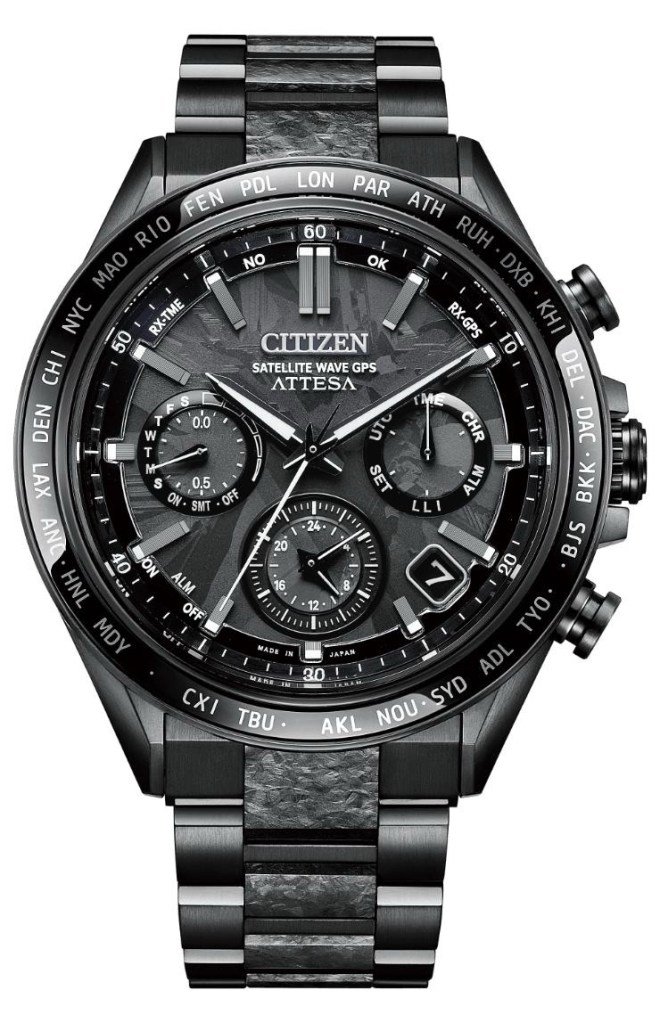
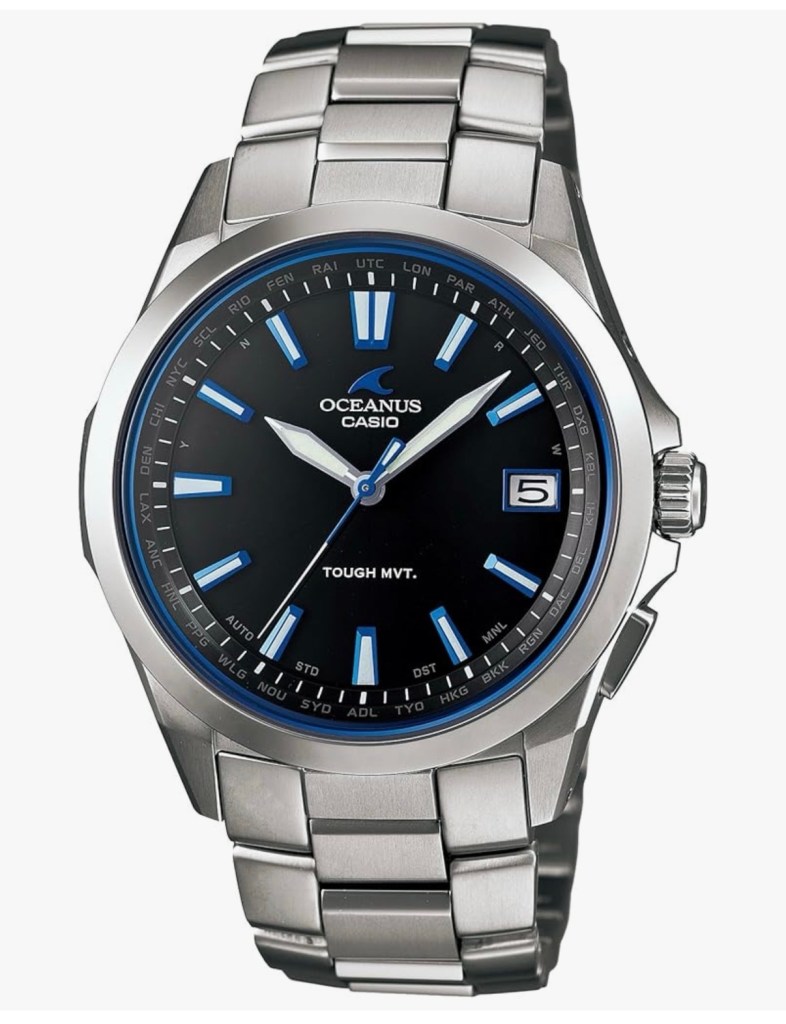
Brands like:
- Casio Oceanus
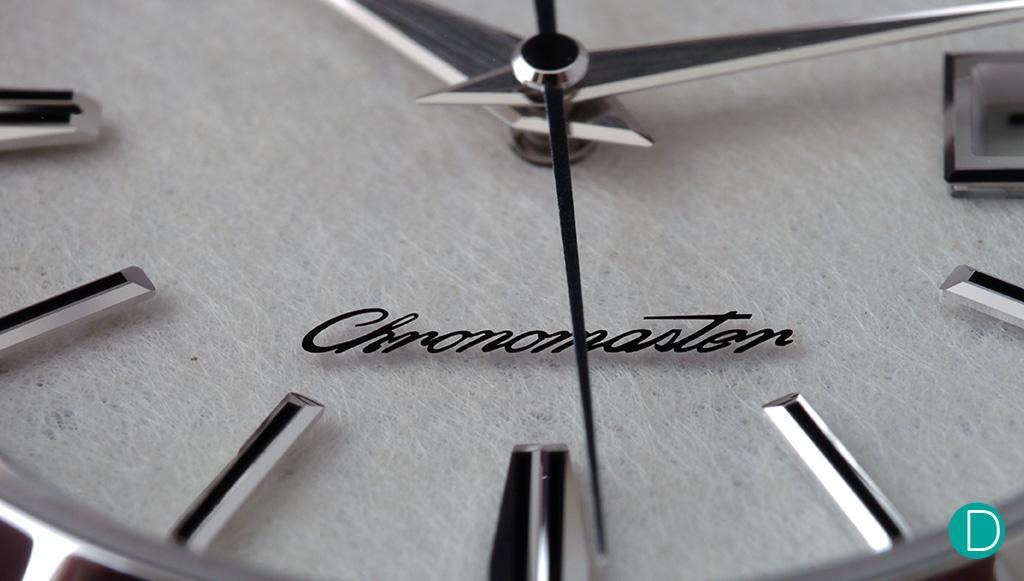
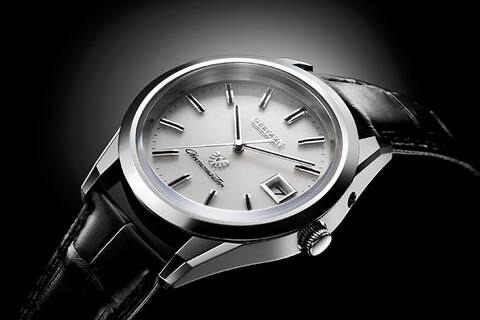
- Citizen (Chronomaster, Attesa)
- Seiko (Brightz and select lines)
…quietly produce watches that prioritize something different:
Ownership experience.
You’ll find:
- Titanium cases that are lighter and more scratch-resistant
- Solar movements that eliminate battery anxiety
- Radio or GPS synchronization for atomic-level accuracy
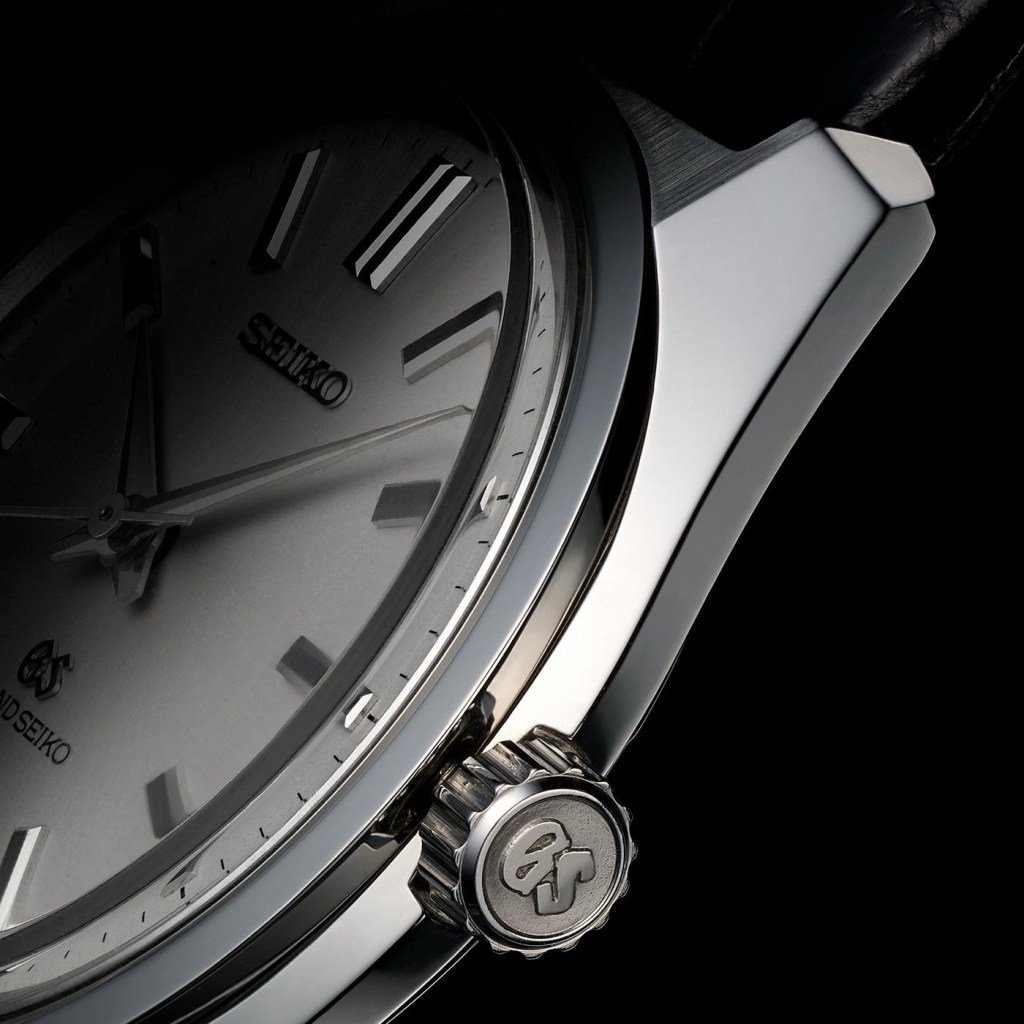
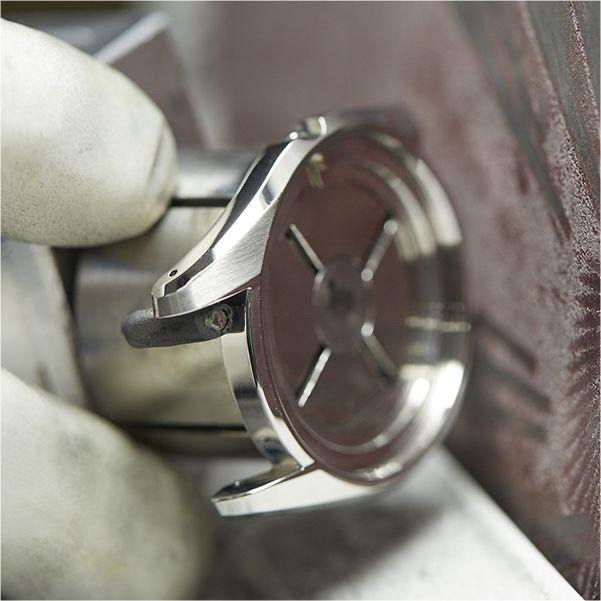
- Finishing techniques that rival far more expensive Swiss pieces
What you won’t find as much of:
- Marketing hype
- Artificial scarcity
- Inflated prestige pricing
The result is what I’ve come to think of as “economic luxury”—watches that deliver premium experience without demanding premium theater.
The Real Lesson: Alignment Over Aspiration
All four of these insights point to a single conclusion:
The goal isn’t to own impressive watches.
The goal is to own the right watches—for you.
That means:
- Letting go of external validation
- Understanding where real value lives
- Rejecting false binaries
- Exploring beyond the obvious
When you do that, something interesting happens.
You stop chasing watches…
…and start building a system.
One that reflects:
- Your lifestyle
- Your priorities
- Your experiences
And ultimately—your identity.
A Final Thought
There’s still room at the top.
A watch from Rolex or another high-end brand isn’t “wrong.”
It just belongs in a different category:
Not as a better tool.
But as a meaningful milestone.
And when—or if—you get there, it should feel earned, aligned, and intentional.
Not chased.
Because in the end, the best watch you can own isn’t the most expensive one.
It’s the one that makes sense.
For you.
-The Rational Ram

